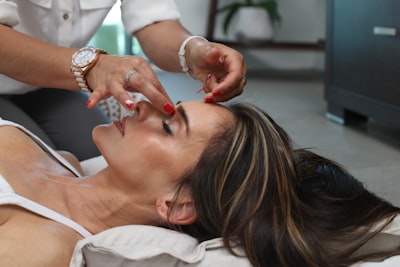
How to Apply Blush on Mature Skin


(Techniques That Actually Lift)

✦ By MaturedGlow  ✦ Makeup for Women 40+ ✦ 8 min read
Let’s be honest — most blush tutorials are written for twenty-year-olds with taut skin and no pores to worry about. But here at MaturedGlow, we do things differently. This guide is for us: women in our 40s, 50s, 60s and beyond who still want a fresh, lifted, flushed-from-within look — without blush creasing into smile lines or making oily patches sparkle.
Blush is genuinely one of the most youth-restoring tools in your makeup bag — but only when you know where to place it, what formula to choose, and how to blend it upward rather than outward. Get it right, and you look like you just returned from a walk in the crisp morning air. Get it wrong, and it ages you by 10 years. This post covers everything you need to know.

Why Blush Application Changes as We Age

As we age, a few things happen to the face that change how blush behaves:

  • Fat pads shift downward — the natural fullness in your cheeks migrates south, creating hollowness at the tops of the cheeks.
  • Skin loses elasticity — powder blush can settle into fine lines and texture if not applied carefully.
  • Natural flush disappears — the rosy undertone that younger skin carries fades, making the face look flat without color.
  • Pores become more visible — especially for mature women who also have oily or combination skin.
  • Bone structure becomes more prominent — which can actually be a beautiful advantage when you work with it.

None of this means you should shy away from blush. Quite the opposite. It means you need to be a little more intentional about how you apply it.


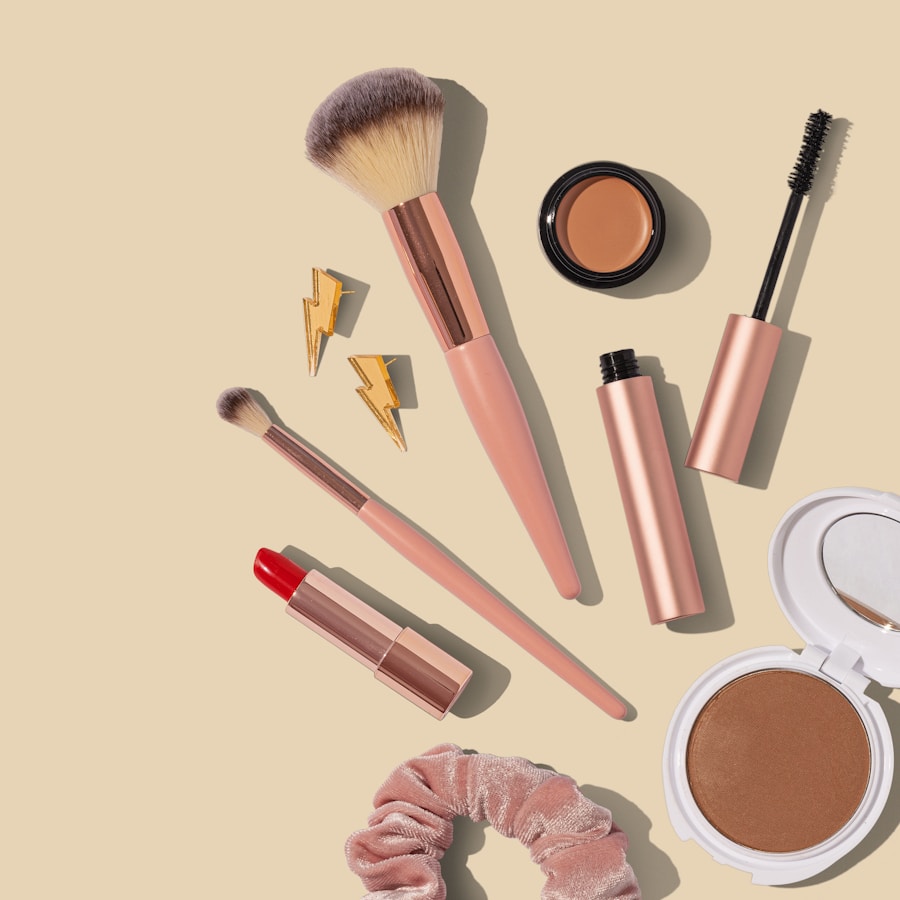
Makeup brushes and blush palette on a vanity — beauty tools for mature skin

                                                                     Photo via Unsplash — The right tools make all the difference

The Best Blush Formulas for Mature Skin

Formula matters more than color when it comes to mature skin. Here’s a quick breakdown:

Cream Blush — The Gold Standard

Cream blush is the most flattering formula for mature skin, full stop. It melts into the skin rather than sitting on top of it, gives a healthy dewy finish, and never settles into fine lines. Apply it with fingertips or a damp beauty sponge before setting powder for best results.

Liquid & Serum Blush — The Glow-Getter

A drop of liquid blush blended into the skin creates the most natural, flushed-from-within look possible. It’s incredibly long-wearing, buildable, and perfect if you want that “I don’t wear makeup but my skin looks amazing” effect. Especially great for mature skin that tends toward dryness.

Powder Blush — With Caution

Powder blush isn’t off-limits, but it requires a few extra steps on mature skin. Always apply on top of a setting powder (never directly on bare moisturized skin), use a fluffy brush to diffuse the color, and choose matte or satin finishes — chunky glitter or shimmer powders will highlight texture and lines.

✦ MaturedGlow Pro Tip Layer a cream blush under a sheer powder blush for lasting color that never creases — this “hybrid method” works brilliantly on mature skin because the cream sets a color base and the powder locks it in place.


Special Consideration: Oily Mature Skin

Here’s the thing that nobody talks about: mature skin and oily skin are not mutually exclusive. A good portion of women over 40 still deal with excess oil production — often in the T-zone — while simultaneously dealing with fine lines, loss of volume, and uneven texture. It’s a combination that requires a very specific approach to blush.


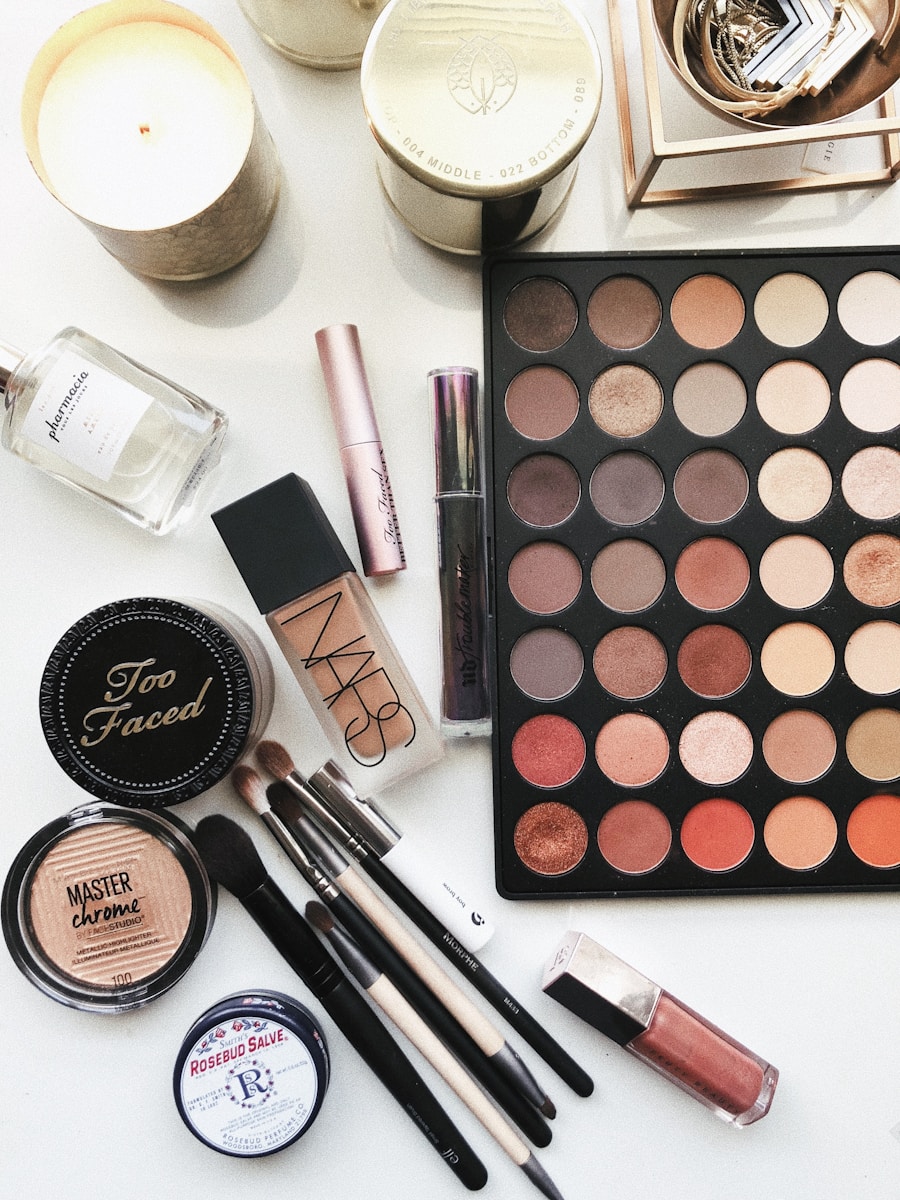
Soft makeup brushes laid out — tools for applying blush on mature oily skin

Photo –  Unsplash — The right brushes prevent blush from sliding


Why Oily Mature Skin Needs a Different Strategy

On oily skin, cream blushes can travel and shift throughout the day. Powder blushes can clump over oil. Liquid blushes — if not properly set — can disappear by noon. Here’s the game plan that actually works:

  • 1
    Start with an oil-control primer
    Apply a mattifying primer to your cheek area before foundation. This creates a barrier that keeps blush in place and prevents the dreaded mid-day slide.
  • 2
    Set your base with a translucent powder
    Before any blush touches your skin, lightly set your foundation with a finely-milled translucent powder. This gives the blush something to grip.
  • 3
    Choose a powder blush with a satin (not matte, not glittery) finish
    On oily mature skin, powder is usually your most reliable blush format. Look for long-wearing, pressed powder formulas with satin finishes — they control shine without emphasizing texture.
  • 4
    Set blush with a light dusting of loose powder
    After applying your blush, press — don’t swipe — a tiny amount of loose translucent powder over it to lock the color in place without dulling it.
  • 5
    Carry blotting papers, not powder
    For touch-ups throughout the day, blot excess oil first, then press (don’t rub) a small amount of blush back on if needed.

Oily Skin Insider Secret If you love the look of cream blush but struggle with longevity on oily skin, try tapping a small amount of cream blush onto your skin and immediately dusting a coordinating powder blush on top while the cream is still tacky. The two bond together and the color lasts dramatically longer.


Blush Placement on Mature Skin: The Lift Map

“Blush doesn’t just add color — it sculpts, lifts, and adds life to the face. The secret is always to go up, never out.”

This is the most important section. Placement is everything. Wrong placement drags the face down. Right placement creates the illusion of lifted cheekbones and a more youthful structure.

Photos –  Unsplash — Natural glow is always the goal

The “C-Sweep” Lifting Technique

Starting at the top of your cheekbone (near the temple), sweep your blush brush in a gentle “C” shape — up toward the hairline, then curving slightly under the eye. This technique visually raises the cheek and creates a sculpted, lifted appearance. Never apply blush in a circular motion on the apple of the cheeks — this reads as cartoonish and actually emphasizes sagging.

The “Temple Drape” Method

Apply blush starting at your temples and sweep it downward and inward along the top of the cheekbone, stopping before the center of the face. This creates a sun-kissed warmth that frames the face beautifully and is especially flattering for women with longer face shapes.

Where NOT to Apply Blush on Mature Skin

  • Directly on the apple of the cheeks (pulls everything down)
  • Too close to the nose (makes the nose appear wider)
  • Below the cheekbone (accentuates drooping and jowls)
  • In thick, concentrated lines (creates a harsh artificial look)

Step-by-Step: Full Blush Application for Mature Skin

  • 1
    Prep the skin
    Moisturize well and let it absorb fully. Apply primer if needed. Foundation or tinted moisturizer goes next.
  • 2
    Lightly powder your base
    A thin layer of translucent setting powder gives blush something to grip and prevents creasing, especially important around the nasolabial folds.
  • 3
    Smile slightly, then release
    Smiling shows you the apple of the cheek. Start your blush just above this point — not on it — and sweep upward toward the temple.
  • 4
    Use an angled fluffy brush
    An angled brush gives you precision at the top of the cheekbone and helps direct color upward naturally.
  • 5
    Blend upward toward the temple
    Use light, feathering strokes. The most intense color should sit at the top of the cheekbone, fading as it moves toward the temple.
  • 6
    Add a whisper at the temples
    A tiny bit of the same blush swept at the temples ties the look together and gives a sun-kissed warmth that feels very natural on mature skin.
  • 7
    Check in natural light
    Always step to a window before you finalize. Natural light reveals the truth about blending and intensity in a way artificial light never does.

Recommended Products for Mature Skin

* This post contains affiliate links. MaturedGlow may earn a small commission if you purchase through our links — at no extra cost to you. We only recommend products we genuinely love and believe work for mature skin.

Rare Beauty Soft Pinch Liquid Blush

A single drop of this blends into an impossibly natural flush. It’s incredibly pigmented — start with the tiniest amount — and stays put beautifully. The dewy finish makes skin look plump and youthful. Best for: all mature skin types. Shop on Amazon ›

Ilia Multistick Cream Blush for mature skin

ILIA Multi-Stick Cream Blush + Lip Color

A clean beauty favorite that doubles as lip and cheek color. The creamy balm texture melts effortlessly into skin and layers beautifully. Infused with skin-loving ingredients. Best for: mature dry skin, oily skin layered under powder. Shop on Amazon ›


Milani Baked Blush

The best drugstore option for mature skin, hands down. The baked texture delivers a soft, buildable satin-finish color that never looks powdery. Great staying power, especially over primer. Best for: budget-conscious and oily mature skin. Shop on Amazon ›


IT Cosmetics Vitality Blush + Glow

Formulated with anti-aging ingredients including collagen, peptides, and hyaluronic acid. Delivers a natural, healthy flush with skincare benefits. The satin finish is universally flattering. Best for: mature skin over 50 that wants skincare benefits in makeup. Shop on Amazon ›

Real Techniques Sculpting Blush Brush

An affordable, professional-quality angled brush that’s perfectly shaped for the C-sweep lifting technique. The densely packed but soft bristles give you buildable, precise color placement. A must-have tool for the lifting blush method. Shop on Amazon ›

The Best Blush Colors for Mature Skin

Color choice matters enormously on mature skin. Here’s a quick reference:

  • Peach & Coral tones — Universally flattering, warm, and the most natural-looking on mature skin. They mimic a genuine flush and work on all skin tones.
  • Dusty Rose & Mauve — Elegant and sophisticated. Look for warm-leaning versions rather than cool-toned or purple-adjacent shades, which can read as bruising.
  • Warm Berry — Beautiful on deeper skin tones. Choose satin, not matte, to keep it from looking flat.
  • Avoid: Cool pinks, fuchsias, and anything with heavy glitter — Cool pinks can look stark against mature skin, and glitter emphasizes texture.
  • Golden-bronze blush — A sun-kissed bronze blush swept along the tops of the cheekbones looks stunning and acts as a subtle bronzer-blush hybrid for a glowy, healthy look.

Quick Tips to Make Blush Last All Day

  • Always moisturize and prime before blush — this prevents patchiness
  • Apply blush after setting powder for longer wear (especially on oily skin)
  • Use pressing and stippling motions rather than swiping to prevent moving product around
  • Set finished blush with a light press of loose translucent powder
  • Finish with a setting spray to melt everything together and add longevity
  • For touch-ups: blot first, then layer — never apply fresh blush over oil

✦ The “Less is More” Rule On mature skin, it is always easier to add more blush than to take it away. Start with a very light hand, step back, assess in natural light, then build if needed. A heavy hand with blush on mature skin is the most common mistake — and it reads as aging rather than youthful.

Final Thoughts from MaturedGlow

Blush is one of the most powerful makeup tools available to us — and it deserves more attention than it gets. When you choose the right formula, apply it with intentional upward strokes, and honor the structure of your mature face, blush becomes a lifting, glowing, life-giving addition to your routine.

Stop applying blush the same way you did in your twenties. Lean into the techniques that work with your skin now — the cream formulas, the upward sweeps, the temple draping. The result is a face that looks rested, radiant, and genuinely alive.

You’ve earned that glow. Now go wear it beautifully. 💕


Continue Reading

You may also like

Best Foundations for Mature Skin


Best Foundations for Mature Skin That Don’t Settle Into Lines

By MaturedGlow Team  ·  Updated March 2025  ·  8 min read

Disclosure: This post contains affiliate links. If you purchase through these links, MaturedGlow may earn a small commission at no extra cost to you. All recommendations are based on genuine research and honest opinions. Thank you for supporting maturedglow.com!

“Finding a foundation that actually works on mature skin feels like searching for a unicorn. You deserve one that enhances you — not one that reminds you of every line on your face.”

Let’s be real. You’ve been there. You apply your foundation in the morning — full of hope — only to look in the mirror by noon and see it pooling in your smile lines and settling into the creases around your eyes. You look more tired, not more polished. And if you have oily mature skin on top of that? The foundation slides around like it’s on a skating rink. It’s frustrating, and it’s not your fault.


Here at MaturedGlow, we believe beauty doesn’t have an expiration date — it just evolves. Your skin in your 40s, 50s, and beyond is not “problem skin.” It’s experienced skin, and it deserves a foundation that works with it. That’s exactly why we put together this real-talk guide to the best foundations for mature skin that actually stay put without settling into your lines.

Whether your skin is dry, combination, or — yes — oily and mature (because oily skin absolutely does not disappear after 40), we’ve got you covered with honest reviews, application tips, and everything you need to find your perfect match.


Mature woman applying foundation - best foundations for mature skin

The right foundation can transform your entire complexion — at any age.


Why Does Foundation Settle Into Lines on Mature Skin?

Before we dive into products, let’s quickly talk about why this happens — because understanding the “why” helps you choose the right formula and apply it the right way.

As skin matures, it produces less collagen and elastin, which means lines and pores become more pronounced. Skin cell turnover slows down, leaving a slightly uneven texture on the surface. Traditional heavy foundations or formulas with a lot of silicone can collect in these grooves and make fine lines look deeper and more defined — the exact opposite of what you want.


For oily mature skin specifically, excess sebum continues to be produced even as skin ages. This can make foundations slide, break down midday, or turn patchy. Many people wrongly assume oily skin needs to “dry out,” so they go for ultra-matte, very drying formulas — which actually dehydrate the skin and cause it to overproduce oil in response. The trick is balance: a foundation that controls shine without stripping moisture.

Mature oily skin often needs a water-based, semi-matte formula — not a super drying matte or a heavy luminous one. Look for “long-wear” labels combined with “non-comedogenic” and “oil-free” to get the best of both worlds.


What to Look for in a Foundation for Mature Skin

Not all foundations are created equal. Here’s exactly what to look for — and what to avoid — when shopping for a foundation as a mature woman:

  • Lightweight, buildable coverage — Heavy, full-coverage formulas tend to settle and cake. Look for medium coverage that can be built up strategically.
  • Hydrating or skin-care-infused formulas — Ingredients like hyaluronic acid, niacinamide, or glycerin keep skin plump, which plumps fine lines from within.
  • Flexible finish — For oily skin, aim for satin or natural-matte (not flat matte). For dry or normal skin, soft luminous or radiant formulas work beautifully.
  • Long-wear technology — Look for foundations specifically labeled “long-wear” or “16-hour.” These are formulated to flex with facial movements rather than separate.
  • No heavy silicones as first ingredients — Silicones (dimethicone) in large amounts can fill lines visually but also cause foundation to slide and separate over time.
  • SPF (bonus) — Sun protection is the #1 anti-aging tool. Foundations with at least SPF 15-30 are a smart choice for daily wear.
  • Buildable application method — Using a damp beauty sponge or stippling brush instead of rubbing in foundation prevents dragging on skin and reduces the chance of it settling.
Beautiful mature woman with glowing skin and perfect makeup

✦ Special Focus: Oily Mature Skin

Having oily skin past 40 is more common than you’d think — and it’s actually a blessing in disguise. Oily skin tends to age more slowly and maintain a natural plumpness longer than dry skin. But it does require a smarter foundation strategy.

Here are our top tips specifically for mature women with oily or combination-oily skin:

  • Always use a pore-minimizing, oil-control primer before foundation. This is non-negotiable. A good primer creates a smooth canvas and helps foundation last hours longer.
  • Set in sections — Apply a small amount of translucent setting powder to your T-zone and any areas that get shiny first. Don’t bake the entire face, as this can settle into lines.
  • Less is more. One thin layer of the right long-wear foundation will outlast a thick application of the wrong one every time.
  • Use a setting spray with oil-control properties to lock everything in at the end of your routine.
  • Avoid formulas with “dewy” or “luminous” finishes — these add shine on top of already shiny skin. Go for “natural,” “satin,” or “soft matte.”
  • Blotting papers are your midday best friend — keep some in your bag for quick touch-ups without disturbing your foundation.

The 7 Best Foundations for Mature Skin (Honestly Reviewed)

We’ve tested and researched these picks carefully. Every product on this list has been chosen for its performance specifically on mature skin — and we’ve noted which ones are especially great for oily skin types.

Pick 01
⭐ Editor’s Choice — Oily Skin

★★★★★

Estée Lauder Double Wear Stay-in-Place Foundation

The Gold Standard for Long-Wear Coverage

♥Oily Skin♥
♥Combo Skin♥

If you have oily mature skin and haven’t tried Estée Lauder Double Wear yet — stop everything and go get it. This foundation has a cult following for a reason. It delivers 24-hour wear, transfers-resistant coverage, and a natural matte finish that never looks chalky or cakey. It’s water and heat-resistant, which means it survives everything from a long workday to a hot humid afternoon without budging. For oily skin, it controls shine beautifully without stripping moisture. The key is to apply it lightly with a damp sponge and build only where you need more coverage.

Yes, it’s on the higher end price-wise, but a little goes a long way — this bottle will last you months. Available in 56 shades, so you’ll find your match easily.

Shop on Amazon
*Affiliate link. Price checked at time of writing.

Pick 02
Best Skincare-Foundation Hybrid

★★★★★

IT Cosmetics Your Skin But Better CC+ Cream with SPF 50+

Coverage + Skincare in One Step

♥All Skin Types♥
♥Combo♥

This is the product that made us say “why didn’t this exist sooner?” The IT Cosmetics CC+ Cream isn’t just a foundation — it’s a color-correcting, skincare-infused, SPF 50+ formula that genuinely improves your skin while you wear it. It contains collagen, peptides, hyaluronic acid, and antioxidants that work on your skin all day. The finish is a natural, skin-like look that diffuses the appearance of fine lines rather than settling into them. For mature skin with normal-to-combination oiliness, this is a dream formula. The coverage is medium-to-full and buildable, and it adapts to your skin tone beautifully.

Shop on Amazon
*Affiliate link. Price checked at time of writing.

Pick 03
Best Luxury Pick

★★★★★

NARS Natural Radiant Longwear Foundation

Radiance That Doesn’t Look Greasy

♥Dry Skin♥
♥Combo♥

For mature skin that’s on the drier side, the NARS Natural Radiant Longwear Foundation is absolute magic. It gives a gorgeous, lit-from-within radiance without any glitter or shimmer — just pure, healthy-looking skin. It’s long-wear and resistant to transfer, and the formula contains moisturizing ingredients that prevent it from settling into lines or crepey areas. The medium-to-full coverage is buildable and blends like a dream. A warning for very oily skin: pair this with an oil-control primer, as the radiant finish can amplify shine. For everyone else — this is as close to perfect as it gets.

Shop on Amazon
*Affiliate link. Price checked at time of writing.

Pick 04
⭐ Best Budget Pick — Oily Skin

★★★★☆

Maybelline Fit Me Matte + Poreless Foundation

Drugstore Superstar for Oily Mature Skin

♥Oily Skin♥

Don’t sleep on this drugstore gem. The Maybelline Fit Me Matte + Poreless has been a go-to for oily skin for years, and it absolutely delivers on mature skin too — when applied correctly. It minimizes the appearance of pores, controls shine all day, and provides a fresh, natural-matte finish. The key difference when using it on mature skin: apply with a damp Beauty Blender rather than a brush, which prevents it from sitting on top of lines. Set only the oiliest zones with powder. At this price point, it’s one of the best-value foundations available. Available in 40 shades.

Shop on Amazon
*Affiliate link. Price checked at time of writing.

Best Foundations for Mature Skin That Don't Settle Into Lines

The right tools matter just as much as the right formula — always apply with a damp sponge.

Pick 05
Best for Very Oily Mature Skin

★★★★★

Fenty Beauty Pro Filt’r Soft Matte Longwear Foundation

Inclusive Shades + Serious Oil Control

♥Oily Skin♥

Rihanna’s Fenty Beauty line was created with everyone in mind, and the Pro Filt’r foundation shows it. With 50 shades that cater to a wide range of skin tones and undertones, this is one of the most inclusive foundations on the market. For oily mature skin, the soft matte finish is ideal — it diffuses excess oil and shine throughout the day without looking flat or chalky. The formula is lightweight but buildable, and it doesn’t emphasize texture or lines when applied with a damp sponge. It’s long-wearing, transfer-resistant, and gives a gorgeous, polished finish that feels surprisingly comfortable.

Shop on Amazon
*Affiliate link. Price checked at time of writing.

Pick 06
Best Lightweight Option

★★★★☆

Charlotte Tilbury Airbrush Flawless Foundation

Skin-Blurring Perfection in a Bottle

♥Combo♥
♥Oily♥

The name says it all. Charlotte Tilbury’s Airbrush Flawless Foundation was designed to give that soft-focus, “blurred” photographic skin effect — which is absolutely ideal for mature skin. Instead of emphasizing lines, it visually blurs them with light-diffusing particles in the formula. The coverage is medium and buildable, and the finish walks the perfect line between matte and luminous — your skin just looks good. It wears well on oily skin and combination skin and lasts beautifully through the day. A slightly splurge-worthy option, but one many mature women swear by as their forever foundation.

Shop on Amazon
*Affiliate link. Price checked at time of writing.

Pick 07
Best Dermatologist-Recommended

★★★★☆

Neutrogena Healthy Skin Liquid Makeup Foundation with SPF 20

Gentle, Effective, and Skin-Loving

♥Sensitive Skin♥
♥Dry / Normal♥

For mature skin that’s also sensitive or reactive, Neutrogena Healthy Skin Liquid Makeup is a gentle powerhouse. It’s dermatologist-tested, hypoallergenic, and enriched with antioxidants and SPF 20 for daily sun protection. The coverage is light-to-medium with a natural finish, making it ideal for everyday wear. It doesn’t settle badly into fine lines and sits comfortably on the skin all day. It’s widely available, affordable, and comes in a good range of shades. If you’ve been struggling with sensitivity on top of aging skin concerns, this is a safe, smart choice to start with.

Shop on Amazon
*Affiliate link. Price checked at time of writing.


Application Tips That Make All the Difference

Even the best foundation can go wrong if applied incorrectly on mature skin. Here are the game-changing tips that make a real difference:

01

Prep the Canvas

Always moisturize and let it fully absorb (wait 5 minutes). Dry skin patches cause foundation to cling and look uneven. For oily skin, use a lightweight oil-free moisturizer, not no moisturizer.

02

Prime First

A good primer smooths the surface and fills shallow lines visually. For oily skin, a pore-minimizing or oil-control primer is essential. For dry skin, a hydrating primer works wonders.

03

Damp Sponge Always

A damp Beauty Blender or makeup sponge is the secret weapon. Stipple and press — never drag. This prevents pulling on mature skin and gives a seamless, natural finish.

04

Set Smartly

For oily skin, set only your T-zone with a tiny amount of translucent powder. Avoid heavy powder on the rest of the face — it settles into lines. Finish with a setting spray to lock everything in.

Keep your under-eye area powder-free or use only the lightest dusting. This is the area most prone to caking and settling, especially on mature skin. A little concealer and setting spray works better than layers of powder there.

Frequently Asked Questions

What is the best foundation coverage for mature skin?
Medium, buildable coverage tends to work best for mature skin. Full-coverage foundations can look heavy and emphasize texture. Start with a lighter layer and build up only where you need it — like around redness or uneven areas — for the most natural, age-appropriate result.
Is powder or liquid foundation better for mature skin?
Liquid foundations are generally recommended for mature skin because they provide hydration, flexibility, and a more natural finish. Powder foundations can look dry and settle into fine lines more readily. However, a light dusting of setting powder over a liquid foundation for oily skin is perfectly fine.
Can I use a matte foundation on mature skin?
Yes — especially if you have oily or combination skin. The key is choosing a “soft matte” or “natural matte” formula rather than a flat, ultra-matte one. Flat mattes can look cakey and dry on mature skin. Soft mattes control shine beautifully without looking dull.
How do I stop my foundation from settling into smile lines?
The best approach: use less product in that area, apply with a stippling motion (not dragging), let it settle for a minute then gently press with a dry sponge to absorb any excess, and avoid setting that area with heavy powder. A setting spray over the whole face helps bind everything without adding weight.
Does oily skin still need moisturizer before foundation?
Absolutely. Skipping moisturizer can actually cause your skin to produce more oil to compensate, making the problem worse. Use a lightweight, oil-free, non-comedogenic moisturizer before your primer. This balances the skin and actually helps foundation last longer.

Finding your perfect foundation is a journey, not a one-size-fits-all destination. Your skin is unique, beautiful, and worthy of the best. Don’t settle — for bad foundation or anything less than feeling radiant every single day. ✦

We hope this guide helps you feel more confident the next time you’re standing in the beauty aisle — or scrolling through Amazon at midnight trying to find the one. Trust us, we’ve been there. If you try any of these foundations, drop a comment below and let us know how it worked for your skin. We love hearing from you!


Until next time — keep glowing, MaturedGlow community. 💛


Continue Reading

How to Layer Serums on Mature Skin Without Pilling


Layer Serums on Mature Skin Without Pilling

The exact method for building a serum routine that actually absorbs — even if your skin is oily, sensitive, or prone to product buildup.

By MaturedGlow  – 10 min read  
 
 
Disclosure: This post contains affiliate links. If you make a purchase through these links, maturedGlow may earn a small commission at no extra cost to you. I only recommend products I genuinely love or would use myself. Thank you for supporting this blog! 🌿


Let me guess — you’ve spent real money on beautiful serums, layered them on, and watched your foundation ball up into little grey pellets by mid-morning. Or worse, you’re washing off product that hasn’t even had a chance to absorb. If you have mature skin — especially mature oily skin — this struggle is so real, and so frustrating.

I’ve been there. In my 40s, I noticed my skin was doing this infuriating thing where it was simultaneously producing too much oil AND showing fine lines. Welcome to the club nobody asked to join. The good news? Once you understand the why behind pilling, and once you have the right layering sequence, your serums will glide on, absorb fully, and actually work.

In this post, I’m walking you through everything: why pilling happens more with mature skin, the correct layering order, special tips for oily mature skin, and the specific serums worth your hard-earned money (all available on Amazon).

Why Does Pilling Happen? (Especially on Mature Skin)

Pilling happens when product sits on top of the skin’s surface instead of absorbing into it. The product then picks up friction — from your fingers, from the next product you apply, from your clothes or pillowcase — and rolls into tiny balls.


Mature skin pills more easily for a few reasons. As we age, skin cell turnover slows down, meaning there’s a layer of older, drier cells on the surface that can block absorption. This is doubly true for mature oily skin, where the combination of excess sebum and slowed cell renewal can create a sort of “barrier” that traps products on top.


“The real secret to pilling-free skin isn’t the products you buy — it’s the order you apply them and how long you wait between each step.”

Another common culprit: silicones. Many primers and even some serums contain silicones that create a smooth film over the skin. When you layer a water-based serum on top of a silicone-based product, the water simply cannot penetrate. Result: pilling everywhere.

The Texture Rule You Need to Know

Think of your skincare routine like getting dressed. You layer thinnest to thickest — never a heavy knit sweater under a delicate silk shirt. In skincare, that means: watery toners and essences first, lightweight water-based serums next, then thicker cream serums, and finally oils and moisturizers last.

The Golden Rules for Layering Serums on Mature Skin

✦ Quick Reference: Pilling Prevention Rules
  • Always cleanse thoroughly — dead skin cell buildup is pilling enemy #1
  • Wait 60–90 seconds between each serum layer (set a timer if you need to)
  • Use only 2–3 drops per serum — more product = more pilling risk
  • Press, don’t rub — patting serums into the skin helps absorption without friction
  • Thin to thick — always layer from thinnest/most watery to thickest
  • Check for silicone conflicts — avoid layering a water-based serum over a silicone-based one
  • Exfoliate 2–3x per week — removes the dead skin barrier that causes pilling

✦ The Perfect Serum Layering Order for Mature Skin

1
Gentle Cleanser  – start with a clean canvas — never skip this step
2
Toner / Essence (if using)Prep the skin and boost absorption for what follows
3
Water-Based Serum #1 — Targeted Treatment e.g. Vitamin C serum, Niacinamide serum — thinnest first
4
Wait 60–90 seconds – non-negotiable! This is when most people pill
5
Water-Based Serum #2 — Hydration Serum e.g. Hyaluronic acid serum — slightly thicker
6
Wait another 60 seconds –  especially important for oily mature skin — let it fully absorb
7
Cream / Moisturizers (+ SPF in the AM)Seal everything in with a light moisturizer appropriate for your skin type

A Special Note for Oily Mature Skin

Here’s the thing nobody tells you about oily mature skin: your skin still needs hydration. Lots of it. Many people with oily skin skip moisturizers and serums because they’re afraid of making their skin greasier — but this actually backfires. When your skin is dehydrated, it produces more oil to compensate.

🌿 Oily Mature Skin Tip

For oily mature skin specifically, choose water-based, oil-free, non-comedogenic serums with humectants like hyaluronic acid and niacinamide. Niacinamide is a particular hero here — it hydrates, firms, regulates sebum production, and minimizes the look of pores all at once. Look for a niacinamide percentage of 5–10% for mature skin.


The best serums for oily mature skin tend to be lightweight gels or water-thin liquids rather than thick creams. If a serum has a silky, almost watery texture, it’s usually a good sign for oily skin types. Avoid anything described as “rich,” “nourishing,” or “luxurious” if you’re oily — these will sit on your skin and potentially clog pores.

Retinol on Oily Mature Skin

Retinol is genuinely one of the most powerful anti-aging ingredients available without a prescription. For oily mature skin, it’s a fantastic addition to your PM routine — it speeds up cell turnover (reducing that dead-cell layer that causes pilling!), visibly reduces fine lines, and can actually help with oil regulation over time. Start with a 0.25% or 0.3% formula and build up slowly. Always apply retinol at night, and never layer it with active acids like AHAs or BHAs in the same routine.


AM vs PM Serum Layering: What Goes When?

Not all serums are created equal when it comes to timing, and getting this wrong can both cause pilling and make your serums less effective — or even harmful.

Morning Routine

Your AM routine is all about protection and brightening. Focus on antioxidants like Vitamin C (which also boosts the effectiveness of your SPF), and hydrating serums like hyaluronic acid. Niacinamide is also excellent in the morning. Avoid retinol and strong acids in the morning — sunlight breaks them down and can make your skin more photosensitive.

Evening Routine

Night is the time for repair and renewal. This is when you bring in retinol, peptide serums for firming, and if needed, gentle chemical exfoliants (AHAs/BHAs). Your skin repairs itself most actively while you sleep, so evening is when powerful actives do their best work.

⚠️ Ingredient Combinations to Avoid
  • Retinol + Vitamin C — can irritate, use on alternating days or use Vitamin C AM and retinol PM
  • Retinol + AHA/BHA acids — over-exfoliates and strips the skin barrier
  • Niacinamide + Vitamin C — technically fine in modern formulas, but if you notice flushing, use separately
  • Multiple actives at high concentrations — less is more with mature skin; 2 serums maximum per session

How Many Serums Should Mature Skin Use?

I know the temptation is real to use every serum you’ve heard about, but more is genuinely not better here. Two to three serums per routine is the sweet spot for most mature skin types. Any more than that and you’re increasing pilling risk, potentially causing irritation, and — honestly — just spending money that could go toward a really good retinol or SPF.

My personal stack recommendation for mature oily skin: a Vitamin C serum in the morning, a Hyaluronic Acid serum morning and evening, and a Retinol serum at night. That’s it. It sounds boring. It works brilliantly.

The Best Serums for Mature Skin

All carefully chosen for mature and oily mature skin — available on Amazon

 
Product 01 — Brightening
♥Best for AM Routine♥

If you’re looking for a fuss-free, dermatologist-loved Vitamin C serum that won’t break the bank or break out your oily skin, this is it. CeraVe’s formula delivers 10% pure Vitamin C alongside three essential ceramides that repair and strengthen the skin barrier — a game-changer for mature skin. The lightweight, non-greasy texture absorbs beautifully into mature skin without pilling, making it an ideal first serum in your morning layering routine. It’s fragrance-free, non-comedogenic, and completely suitable for oily skin types.

Key Ingredients: 10% Pure Vitamin C, Hyaluronic Acid, Niacinamide, Three Essential Ceramides
View on Amazon *Affiliate link — I may earn a small commission at no cost to you
 
Product 02 — Hydration
 
♥Best for All-Day Plumping♥

This French-pharmacy favorite is nothing short of magical for mature skin. Formulated with two types of hyaluronic acid (one that works on the surface to plump, one that penetrates deeper to hydrate from within) plus Vitamin B5 for barrier repair, this serum visibly plumps fine lines without any heaviness or residue. For oily mature skin, the feather-light, oil-free gel texture is genuinely a dream — it disappears into the skin, plays beautifully with other serums, and never pills. Apply it after your Vitamin C serum in the morning, or after your retinol has fully absorbed at night.

Key Ingredients: Dual Hyaluronic Acid Complex, Vitamin B5 (Panthenol), Madecassoside, Thermal Spring Water
View on Amazon *Affiliate link — I may earn a small commission at no cost to you
 
Product 03 — Oily Mature Skin Hero
 
♥Best for Oily Mature Skin♥

This is the serum I recommend first to anyone who comes to me with oily mature skin struggles. Eva Naturals niacinamide serum combines  niacinamide with zinc — a pairing that tackles enlarged pores, uneven skin tone, excess sebum, and dullness simultaneously. For mature skin specifically, niacinamide also stimulates collagen production and firms the skin over time. The formula is lightweight, fast-absorbing, and completely non-greasy. It layers beautifully over a toner or essence and under a hyaluronic acid serum. It’s one of the most versatile serums in your kit — morning or evening, it just works.

Key Ingredients: Aloe Vera, Hyaluronic Acid, Niacinamide, Vitamin E, Zinc PCA
View on Amazon *Affiliate link — I may earn a small commission at no cost to you
 
Product 04 — Anti-Aging PM
 
♥Best PM Anti-Aging Serum♥

RoC has been the gold standard in drugstore retinol for decades, and for good reason. This serum pairs their pure retinol with a mineral complex that maximises efficacy while keeping irritation low — a balance that matters enormously for mature skin. Unlike some retinol serums that feel heavy or leave a residue that causes pilling with subsequent products, this formula absorbs cleanly and completely. It’s one of the few retinol serums I trust to layer under a moisturiser without balling up. Start by using it 2–3 nights per week and build up. Your fine lines will thank you within weeks.

Key Ingredients: Pure Stabilised Retinol, Ascorbic Acid, Zinc, Copper Mineral Complex
View on Amazon *Affiliate link — I may earn a small commission at no cost to you
 
Product 05 — Firming & Lifting
 
♥Best Budget Peptide Serum♥

If you want to firm and lift without spending a fortune, The Ordinary Buffet is a genuine icon. This serum packs over 11 skin-identical peptides alongside hyaluronic acid, amino acids, and various growth-supporting complexes into a thin, water-like formula that absorbs instantly with zero pilling. Peptides are among the most skin-compatible ingredients available — they signal your skin to produce more collagen and elastin, leading to visibly firmer, more bouncy skin over time. For oily mature skin, the lightweight texture is ideal. Layer it after niacinamide and before moisturiser for a firming, plumping finish that builds over weeks of consistent use.

Key Ingredients: 11 Peptide Complexes, Matrixyl 3000, Argireline, Hyaluronic Acid, Amino Acids
View on Amazon *Affiliate link — I may earn a small commission at no cost to you
 

My Complete Recommended Routine (Mature Oily Skin)

Morning Routine

Start with a gentle, low-pH cleanser — nothing stripping. Follow with your toner or essence if you use one. Then apply your niacinamide serum first (it targets oil and pores), wait 60–90 seconds, then layer your Vitamin C serum. Wait another minute, then apply your La Roche-Posay Hyalu B5 for a hit of hydration. Finish with a lightweight oil-free moisturizer and always — always — SPF 30+. Skipping SPF on a day you’ve used Vitamin C is a real waste of the serum’s brightening work.

Evening Routine

Double cleanse if you’ve worn makeup or SPF (which you have, right?). Apply your niacinamide serum on fresh skin, wait for full absorption. Then on alternating nights, apply either your RoC Retinol serum or your Buffet peptide serum. Finish with your hyaluronic acid serum and a lightweight gel moisturizer. The key: never apply retinol and the peptide serum in the same session. Alternate them to keep your skin calm and prevent over-stimulation.

🌿 Real Talk for Oily Skin

Oily mature skin actually has an advantage here — the natural oils in your skin help serums glide on more easily and absorb more effectively than on very dry skin. Lean into that. The goal isn’t to strip your skin of oil; it’s to balance it while feeding it the actives it needs to stay firm, bright, and healthy.

Frequently Asked Questions

Can I layer more than two serums at once on mature skin?
 
Technically yes, but I’d recommend sticking to a maximum of two serums per session. More than that significantly increases pilling risk, and there’s a real chance the actives will interfere with each other or cause irritation. Less really is more when it comes to serums.
 
Why does my serum pill even when I wait between layers?
 
If you’re still pilling despite waiting, check whether your skin is fully exfoliated — dead skin cell buildup is a major pilling culprit that most people overlook. Also check for silicone ingredients in your primer or moisturizer. Even a silicone-based sunscreen worn the day before and not fully cleansed off can cause next-morning pilling.
 
My skin is oily but my cheeks are dry — how do I layer serums?
 
This is combination skin, which is common with age. Layer your niacinamide serum everywhere, then spot-apply your richer hydrating serum to drier areas like the cheeks and jawline. You can also use a lighter hyaluronic acid serum across the whole face without worrying too much — it’s hydrating but not oily.
 
Is it safe to use retinol and niacinamide together on mature skin?
 
Yes, and they actually work beautifully together. Niacinamide can help counteract some of the initial dryness or irritation that retinol causes, especially when you’re building up tolerance. Apply niacinamide first, wait for it to absorb, then apply your retinol.
 
Do I need to change my serum layering routine with the seasons?
 
Yes, especially if you have oily skin. In summer, you may find that fewer layers work better — perhaps just one serum plus SPF. In winter, your oily skin may become more balanced or even slightly drier, so you can afford to layer a bit more richly. Listen to your skin — it’ll tell you what it needs as the seasons shift.
 

Final Thoughts from MaturedGlow

Building a serum layering routine that actually works for mature skin — especially oily mature skin — isn’t complicated, but it does require a bit of patience and the right information. The biggest mistakes I see are applying too much product, moving too fast between layers, and not exfoliating regularly enough to let serums actually penetrate.

Start simple. Pick one or two serums from this list, master the application technique, and give your skin 4–6 weeks to respond before adding anything else. Consistency is the real secret to glowing, healthy mature skin — not the number of bottles on your bathroom shelf.

You deserve a routine that works as hard as you do. Now go glow. 🌟


“Mature skin isn’t skin that needs fixing. It’s skin that’s earned its care, and deserves the best of it.”
— MaturedGlow Team

Continue Reading

You may also like

Glycolic Acid/Lactic Acid-Which Is Better for Aging Skin?


〈Foto-Ibnu-ihza-GeG4U-unsplash〉

⚠️ Disclosure: This post contains Amazon affiliate links. If you purchase through my links, I may earn a small commission at no extra cost to you. I only recommend products I genuinely believe in. Thank you for supporting maturedGlow!


If you’ve been staring at the skincare aisle wondering what the difference between glycolic acid and lactic acid actually is — and which one your mature skin really needs — you are not alone. I’ve been there too, turning bottles around and squinting at ingredient lists while feeling more confused than when I walked in. Let’s cut through the noise together.

Here’s the honest truth: both of these acids are alpha-hydroxy acids (AHAs), and both can do beautiful things for aging skin. But they work differently, feel different, and serve different skin types — especially when your skin is both mature and oily, which is its own delightful puzzle that nobody warns you about in your 40s and 50s.

In this post, I’m breaking down exactly what each acid does, how they compare for anti-aging, and which one wins for oily mature skin — a skin type that tends to get overlooked in most “aging skincare” conversations. I’m also sharing my favorite products (all linkable on Amazon!) so you can skip the trial-and-error phase I went through.


First Things First: What Are AHAs and Why Do They Matter for Aging Skin?

Alpha-hydroxy acids are water-soluble exfoliating acids derived from natural sources like fruit, sugarcane, and milk. They work by dissolving the bonds that hold dead skin cells together on your skin’s surface, encouraging those cells to shed more efficiently.

Why does this matter as we age? Because as we get older — typically from our late 30s onward — the natural cell turnover process slows dramatically. Dead skin cells stick around longer, leaving skin looking dull, rough, and congested. Meanwhile, collagen production decreases, and all those years of sun exposure start showing up as dark spots, uneven texture, and deepening fine lines.

AHAs like glycolic acid and lactic acid address these concerns by encouraging fresher, younger-looking skin cells to surface. They also improve how well your moisturizers and serums penetrate — so your whole skincare routine works better. That’s a win at any age.


Glycolic Acid: The Power Player

Glycolic acid is derived from sugarcane and is the smallest AHA molecule, which gives it a superpower: it penetrates the deepest into the skin. This means it can deliver faster, more dramatic results — but it also requires a little more respect.

What glycolic acid does for aging skin:

  • Accelerates cell turnover, revealing fresher skin faster
  • Visibly reduces the appearance of fine lines and wrinkles over time
  • Fades sun damage, age spots, and post-inflammatory hyperpigmentation
  • Improves skin texture and smoothness significantly
  • Stimulates collagen production with consistent use
  • Controls excess oil and minimizes the look of enlarged pores — a bonus for oily skin!

For oily mature skin specifically, glycolic acid has a real advantage: its deep penetrating action helps clear clogged pores and reduce that persistent shine while simultaneously tackling wrinkles and uneven tone. It’s essentially multitasking, which is exactly what busy women need.

The flip side? Glycolic acid can be irritating, especially at higher concentrations. If your skin runs sensitive or reactive, you’ll need to introduce it slowly — start with 2-3 times a week and work up from there. Always wear SPF the next morning because AHAs increase sun sensitivity.


〈Foto-Valeriia-Miller-unsplash〉

The Ordinary Glycolic Acid 7% Toning Solution

Best Budget Pick ♥

✓ Great for Oily Mature Skin

The cult classic everyone recommends for good reason. This 7% glycolic acid toner gently exfoliates while rosehip seed oil adds a touch of nourishment. It’s one of the most affordable ways to start your acid journey without risking your bank account. Apply with a cotton pad at night, 2–3 times a week. Skin feels noticeably smoother within two weeks.

🌿 Cruelty-Free  |  💧 Lightweight  |  ✦ Fragrance-Free Option

🛒 Check  on Amazon

QRxLabs 15% Glycolic Acid Face Serum♥ Best for Results ♥

✓ Oil Control + Anti-Aging 

If you’re ready to level up and your skin can handle a higher concentration, this 15% glycolic acid serum from QRxLabs is a serious workhorse. It’s enriched with Vitamins B5, C, and E, plus green tea extract to buffer irritation. Users rave about brighter skin, faded dark spots, and visibly smoother texture in weeks. Start with once a week and build up. Perfect for oily skin that needs real, deeper exfoliation.

⚗️ 15% Glycolic Acid  |  ✦ Brightening Vitamins  |  💧 Alcohol-Free

🛒Check  on Amazon


Lactic Acid: The Gentle Glow-Giver

Lactic acid is derived from milk (though most cosmetic formulas use synthetic lactic acid, making them vegan-friendly). It’s a larger molecule than glycolic acid, which means it doesn’t penetrate as deeply — and that’s actually a feature, not a bug, for many skin types.

Because lactic acid is gentler and more superficial, it’s the perfect entry-level AHA for anyone new to chemical exfoliation. It also has a unique quality that glycolic acid lacks: it’s a natural humectant, meaning it draws moisture into the skin as it exfoliates. So you get smoother, brighter skin without the stripping sensation.

What lactic acid does for aging skin:

  • Gently resurfaces and brightens the skin
  • Hydrates while it exfoliates (rare and wonderful combination)
  • Softens fine lines and improves skin texture gradually
  • Fades uneven pigmentation and mild sun damage
  • Reduces the appearance of pores over time
  • Strengthens the skin barrier with consistent use

“Lactic acid is like the friend who tells you the truth but does it so kindly you’re not even mad about it. Your skin gets real results, with real gentleness.”

Now, about oily mature skin and lactic acid: because lactic acid is humectant-rich, some women with very oily skin worry it’ll feel heavy or greasy. It won’t — lactic acid itself is a lightweight water-soluble ingredient. The humectant properties actually help balance your skin’s moisture levels, which can paradoxically help with oiliness over time. When skin is dehydrated (which oily mature skin often is, underneath all that shine), it overproduces oil to compensate. Lactic acid helps break that cycle.

Sunday Riley Good Genes All-in-One Lactic Acid Treatment Editor’s Favorite ♥

✓ All Skin Types Including Oily

This is the lactic acid treatment that changed the game for a lot of us. Sunday Riley Good Genes uses high-potency, pure-grade lactic acid alongside licorice (for brightening) and lemongrass (for clarity). The results? Radiance you can actually see — sometimes in the same morning. It’s a splurge, but for mature skin that’s battling dullness, uneven texture, and early signs of aging, it’s worth every penny. A little goes a long way.

✨ High-Potency Formula  |  🌱 Licorice Brightener  |  🏆 Award-Winning

🛒 Check  on Amazon


Olga Lorencin Lactic Acid Hydrating Serum

♥Best for Oily Skin♥

✓ Specifically Formulated for Oily + Aging

This one is a hidden gem. The Olga Lorencin Lactic Acid Serum was designed specifically for oily, combination, and aging skin — so it already speaks our language. It combines lactic acid with mandelic acid, hyaluronic acid, and tremella mushroom extract for deep hydration without a hint of greasiness. Gentle enough for daily use, which makes it incredibly easy to work into your routine. Oily skin users consistently report tighter pores and a balanced complexion.

💦 Hyaluronic Acid  |  🍄 Tremella Mushroom  |  🌙 Daily Use Safe
 

Glycolic Acid vs. Lactic Acid: Side-by-Side Comparison

Feature Glycolic Acid Lactic Acid
Source Sugarcane Milk / Synthetic
Molecule Size Smallest AHA — deepest penetration Larger — more superficial, gentler
Best For Deeper wrinkles, sun damage, oiliness, enlarged pores Dullness, mild lines, barrier support, beginners
Hydrating? No — can be drying at higher % Yes — natural humectant properties
Irritation Risk Moderate to high (concentration-dependent) Low — suitable for sensitive skin too
Collagen Stimulation Strong evidence at higher concentrations Mild, via improved cell turnover
For Oily Mature Skin ⭐⭐⭐⭐⭐ Excellent ⭐⭐⭐⭐ Very Good
Typical Concentrations 5–15% OTC; up to 70% professional 5–12% OTC; up to 50% professional
Frequency (Starting Out) 2–3x per week at night 2–3x per week; some formulas daily

The Oily Mature Skin Reality Nobody Talks About

Here’s something I wish someone had told me earlier: oily skin ages differently. The good news is that oilier skin tends to develop fine lines more slowly because natural sebum provides a degree of moisture protection. The not-so-great news? You’re still dealing with all the other signs of aging — sun spots, uneven texture, loss of elasticity — AND you’re dealing with enlarged pores, persistent shine, and the occasional breakout that feels absolutely unfair at 50.

Most anti-aging content focuses on dry, mature skin. But oily mature skin has its own set of rules:

  • You need exfoliation more than hydration — dead skin mixed with oil = congestion
  • Heavy anti-aging creams will break you out; you need lightweight, oil-free formulas
  • Glycolic acid is particularly well-suited because it controls oil while fighting aging
  • Lactic acid’s hydrating properties help balance skin that’s dehydrated beneath the oiliness
  • You can alternate both acids throughout the week for maximum benefit
💡 MaturedGlow Tip for Oily Mature Skin: Use glycolic acid on Monday, Wednesday, and Friday nights to control oil and target deeper concerns. Use lactic acid on Tuesday and Thursday nights for gentler resurfacing and hydration balance. Rest on weekends and let your barrier recover. This rotation gives you the benefits of both acids without overwhelming your skin.


Advanced Clinicals 10% Glycolic + Lactic Acid Serum

Best Combo♥

✓ Best of Both Worlds

Can’t choose? You don’t have to. This Advanced Clinicals serum combines 10% glycolic acid AND lactic acid in one lightweight gel formula, making it ideal for oily mature skin that wants to simplify the routine. The glycolic handles deeper exfoliation and oil control, while the lactic acid adds a hydrating cushion. Formulated by cosmetic chemists, it also contains licorice root and fruit acid complex for brightening. Affordable, effective, and absolutely worth it.


⚗️ 10% Glycolic + Lactic  |  🌿 Licorice Root  |  💧 Gel Texture — No Grease
 

🛒 Check on Amazon


So… Which One Is Better for Aging Skin? The Verdict

🏆 For Most Mature Skin: Use Both, But Start with Lactic

If you’re new to acids, lactic acid is your safest starting point. Its gentleness and hydrating properties mean fewer side effects and a more comfortable introduction. Once your skin has adjusted — typically 4–6 weeks — you can layer glycolic acid into your rotation for more powerful anti-aging results.

For oily mature skin specifically: Glycolic acid edges out as the long-term winner because of its superior penetration, stronger collagen-stimulating evidence, and remarkable ability to control excess sebum while simultaneously fighting wrinkles and dark spots. But the ideal routine includes both.


Tips for Getting Started Safely

Before you dive into your new acid routine, here are a few things to keep in mind that will save you from a lot of frustration:

  • Patch test first. Apply a small amount to your jaw area for two nights before using it all over your face. This is non-negotiable.
  • Introduce slowly. Once or twice a week to start. Your skin needs time to build tolerance.
  • Never skip SPF. AHAs make your skin more photosensitive. Sunscreen every single morning is essential — not optional.
  • Don’t layer acids with retinol on the same night. Pick one active per evening to avoid barrier damage.
  • Expect some purging. A little breakout in the first 2-3 weeks can be normal as acids clear congestion. It should settle down.
  • Moisturize after. Even oily skin needs a lightweight, non-comedogenic moisturizer after your acid treatment.
⚠️ When to Skip Acids: If you have eczema, rosacea, or a compromised skin barrier, consult a dermatologist before starting either acid. Active breakouts, sunburn, or freshly waxed skin should also avoid acid application until healed.

Final Thoughts from MaturedGlow

Glycolic acid and lactic acid aren’t rivals — they’re teammates. The one that’s “better” for you depends entirely on where your skin is right now. Sensitive? Start with lactic. Oily and resilient? Jump to glycolic. Somewhere in between? Use both on alternating nights and watch your skin transform.

The biggest mistake I see women in the MaturedGlow community make is skipping acids altogether because they seem scary or complicated. They’re genuinely not, especially if you start low and slow. These two ingredients have decades of clinical evidence behind them, and they work. Beautifully.

You deserve to glow — at every age, every skin type. Don’t let anyone — or any skin concern — convince you otherwise.

With love and SPF,
— The MaturedGlow Team 💕


Related Posts:| How to Build an Anti-Aging Routine Over 40


📌 This post contains Amazon affiliate links. I receive a small commission if you purchase through my links at no additional cost to you. All opinions are my own. Always do a patch test before introducing new skincare actives. This post is for informational purposes and does not constitute medical or dermatological advice — please consult your dermatologist for personalized recommendations.

Continue Reading

You may also like

Retinol for Beginners – What you Need to Know


Retinol for Beginners Over 40:

What You Need to Know

The honest  guide to starting retinol safely — especially if you have oily, mature skin.

By The maturedGlow Team · maturedglow.com · 12 min read

Okay, real talk. I stood in the skincare aisle for twenty minutes once, holding a retinol serum, completely overwhelmed. I was 37. My skin was oilier than my 22-year-old self ever was, I had fine lines around my eyes, my pores looked like craters, and every article I read made retinol sound like either a miracle or a minefield. I put the serum back on the shelf and walked away. It took me another six months to finally start — and I wish someone had just sat down with me and explained everything, plainly and honestly. This post is that conversation. Welcome to maturedGlow!

What Exactly Is Retinol — And Why Is Everyone Talking About It?

Retinol is a form of Vitamin A, and it belongs to a family of ingredients called retinoids. It is, without question, one of the most researched and dermatologist-endorsed anti-aging skincare ingredients in existence. Not a trend. Not a gimmick. It has decades of peer-reviewed clinical studies backing it up.

Here is what retinol actually does at a biological level: it speeds up your skin’s natural cell turnover process. Think of it as gently pressing “refresh” on your skin every night. Old, dull, damaged cells are pushed to the surface and shed more quickly, while fresh new cells come up beneath. At the same time, retinol signals your skin to produce more collagen and elastin — the proteins responsible for keeping skin firm, bouncy, and wrinkle-free.

After the age of 40, collagen production drops by roughly 1% every year. By menopause, many women have lost up to 25% of their collagen-producing capacity. That is a significant shift, and it is why our skin starts to look and feel different — thinner, looser, less radiant. Retinol is the one over-the-counter ingredient that can genuinely help counteract this process.

✦ Key Takeaway
Retinol is not a luxury — it is one of the most effective tools available in your skincare toolkit. It works by accelerating cell renewal and stimulating collagen production, giving you fresher, firmer, more even-toned skin over time.

The Oily Mature Skin Conundrum (Yes, It’s a Real Thing)

If you have oily skin, you have probably noticed something strange: your skin can be oily and show visible signs of aging at the same time. Welcome to the club. Enlarged pores, excess shine, the occasional breakout — all while fine lines and loss of firmness are also showing up. It feels contradictory, and frankly, it can feel downright unfair.

Here is the good news: retinol is particularly well-suited for oily mature skin. It addresses multiple concerns simultaneously in a way that most other ingredients simply cannot.

Why Oily Mature Skin Actually Loves Retinol

Controls sebum production. Retinol regulates the activity of your sebaceous glands, meaning over time, your skin produces less excess oil. This translates to less shine and fewer breakouts.

Minimizes enlarged pores. Those larger-looking pores that come with oily skin? Retinol speeds up cell turnover and prevents dead skin cells from clogging and stretching them out.

Tackles hyperpigmentation. Post-breakout dark spots and sun damage from years of being outdoors are both improved by retinol’s brightening effects.

Firms and smooths simultaneously. You get the anti-aging collagen boost while also managing the oiliness. It is genuinely a two-for-one.

Pro tip for oily skin: Opt for a serum or gel-based retinol rather than a heavy cream. Lighter textures absorb faster and are less likely to feel heavy or clog-prone on your skin.

How to Start Retinol: A Beginner’s Step-by-Step Guide. The number one reason people give up on retinol is that they go in too hard, too fast. Redness, flaking, tightness — these are real side effects if you rush the process. The good news? They are entirely avoidable with the right approach. Here is the method that works:

1

Start with a low concentration (0.025% – 0.1%)

Even if your skin can handle stronger actives, starting low gives your skin time to build tolerance. You can always go higher once your skin adjusts — usually after 8–12 weeks.

2

Use it only 2 nights per week at first

Apply retinol on Monday and Thursday, for example. This frequency is enough to start seeing results while giving your skin ample recovery time between applications.

3

Apply on clean, completely dry skin

Applying retinol to damp skin increases its penetration, which increases the risk of irritation. Wait at least 10–15 minutes after washing your face before applying it.

4

Use a pea-sized amount — no more

A tiny amount goes a long way. Dot it across your cheeks, forehead, chin, and neck, then gently blend. More product does not mean faster results; it just means more irritation.

5

Always follow with a good moisturizer

Retinol can be drying, even for oily skin types. Lock in your skin’s moisture barrier with a lightweight, non-comedogenic moisturizer every time you use retinol.

6

Wear SPF 30+ every single morning

Retinol makes your skin more sensitive to UV damage. Sunscreen is non-negotiable — think of it as protecting your investment. This is the most important rule and the one most beginners overlook.

After 4–6 weeks of 2× per week usage with no irritation, increase to every other night. After another 4–6 weeks, you can progress to nightly use if your skin tolerates it well.

⚠ What NOT to Mix with Retinol (Especially at First)

Avoid using retinol on the same night as AHAs (glycolic acid, lactic acid), BHAs (salicylic acid), vitamin C serums, or benzoyl peroxide. These combinations can cause significant irritation. Once your skin is well-adjusted after a few months, you can discuss alternating these ingredients with a dermatologist.


The Best Beginner Retinol Products for Mature, Oily Skin

All of the products below are available on Amazon, dermatologist-recommended, and well-suited for oily, mature skin types. I have personally researched each of these extensively and these represent the most-trusted options at multiple price points.

Affiliate Disclosure: This post contains Amazon affiliate links. If you purchase through these links, I may earn a small commission at no extra cost to you. I only ever recommend products I genuinely believe in. Thank you for supporting maturedGlow!


Editor’s Top Pick

L’Oréal Paris Revitalift 0.3% Pure Retinol Serum

★★★★★ 4.5/5 · 9,000+ Amazon reviews

A featherweight retinol serum formulated with 0.3% pure retinol alongside hydrating hyaluronic acid and antioxidant vitamin E. This fragrance-free serum absorbs almost instantly — which is exactly what oily skin needs. It delivers visible wrinkle-smoothing results in as little as two weeks of consistent use.

Why it’s great for oily mature skin: The lightweight, fast-absorbing gel-serum texture never feels greasy or heavy. The 0.3% concentration is strong enough to be effective for 40+ skin without overwhelming beginners. Clinical studies show it visibly reduces the depth of wrinkles over 12 weeks of nightly use.

Shop on Amazon

Best Budget Pick

The Ordinary Retinol 0.2% in Squalane

★★★★☆ 4.3/5 · Cult Favorite

The Ordinary’s entry-level retinol in a squalane base is one of the most beloved beginner retinols on the market — and one of the most affordable. The 0.2% concentration is gentle enough for true first-timers while still delivering real results over time. Squalane provides light, non-greasy moisture.

Why it’s great for oily mature skin: Squalane is a lightweight, non-comedogenic oil that mimics your skin’s natural sebum without adding to excess oil production. This formula delivers retinol beautifully without clogging pores — ideal for oily skin types who are nervous about oils.

Shop on Amazon


★★★★★ 4.6/5 · Dermatologist Developed

If you are nervous about irritation, CeraVe’s retinol serum is your safety net. It uses encapsulated retinol technology — meaning the retinol is slowly released into the skin over time, dramatically reducing the risk of redness or flaking. It also contains three essential ceramides that repair and strengthen the skin barrier, plus niacinamide for a brightening, pore-refining boost.

Why it’s great for oily mature skin: Niacinamide is a gift to oily skin — it regulates oil production and minimizes pores while the retinol works on wrinkles and firmness. The encapsulated delivery system makes this the most beginner-friendly option on this list. Fragrance-free and non-comedogenic.

Shop on Amazon


Best for Acne + Aging

Neutrogena Rapid Wrinkle Repair Retinol Serum

★★★★★ 4.5/5 · America’s #1 Retinol Brand

Neutrogena’s Rapid Wrinkle Repair serum features their proprietary Accelerated Retinol SA formula — a blend of pure retinol, glucose complex, and hyaluronic acid that minimizes the adjustment period. The serum works overnight to resurface skin and visibly reduce fine lines and stubborn dark spots. It has been consistently praised by dermatologists for over a decade.

Why it’s great for oily mature skin: The formula is lightweight and designed to address deep wrinkles without relying on heavy emollients. Its dark spot-fighting ability is particularly useful for oily, mature skin that has dealt with years of acne scarring and hyperpigmentation.

Shop on Amazon

Step-Up Pick (After 3 Months)

La Roche-Posay Retinol B3 Serum

★★★★☆ 4.4/5 · Pharmacy-Trusted Formula

La Roche-Posay’s Retinol B3 Serum is the perfect next step once your skin is fully adjusted to retinol basics. It pairs pure retinol with niacinamide (Vitamin B3) in a formula specifically designed to minimize irritation while maximizing results. This French pharmacy darling is trusted by dermatologists worldwide and delivers visible improvements in texture, firmness, and radiance.

Why it’s great for oily mature skin:
The combination of retinol and niacinamide is particularly synergistic for oily, mature skin — retinol boosts collagen and cell turnover while B3 controls sebum, minimizes pores, and fades dark spots. The lightweight serum texture melts into skin effortlessly.

Shop on Amazon


A Simple Night Routine for Oily, Mature Skin Using Retinol

One of the most common mistakes I see is people not knowing where retinol fits into their overall skincare routine. Here is a simple, effective evening routine built specifically for oily, mature skin:

Step Product Type Why It Matters
1. Double Cleanse Oil cleanser → Gel cleanser Removes sunscreen, makeup, and excess sebum without stripping the skin barrier
2. Toner (optional) Alcohol-free, hydrating toner Balances pH, preps skin. Skip exfoliating toners on retinol nights
3. Wait 10–15 min Ensures skin is completely dry before retinol application to minimize irritation
4. Retinol Serum Pea-sized amount, gently pressed in The hero step — targets wrinkles, pores, cell turnover, and collagen production
5. Moisturizer Lightweight, non-comedogenic gel or lotion Seals in hydration, buffers retinol, supports skin barrier repair overnight
6. Morning: SPF 30+ Broad-spectrum sunscreen Essential — retinol increases photosensitivity. No SPF = undoing your night’s work

What About Retinol and Oily Skin — Do I Still Need Moisturizer?

Absolutely yes. This is one of the biggest misconceptions I hear from readers with oily skin. Skipping moisturizer because your skin already produces oil is a recipe for an angry, irritated skin barrier — and a compromised skin barrier actually produces more oil as a defense mechanism. Use a lightweight, gel-based, or water-based moisturizer every time you apply retinol. Your skin will thank you.

Common Side Effects and How to Handle Them

Even with the gentlest approach, some side effects are normal — especially in the first 4–6 weeks. Here is what to expect and how to manage it:

Dryness and flaking: Very common in the first few weeks. Combat this by layering your moisturizer over retinol (called “buffering”) and making sure you are drinking enough water. If it’s severe, skip a night and let your skin recover.

Redness and sensitivity: Often a sign you are using too much product or applying it too frequently. Scale back to once a week and rebuild gradually. Always wait until skin is completely dry post-cleanse.

The “retinol purge”: Some people experience an initial breakout phase in the first 2–6 weeks, where retinol speeds up cell turnover so quickly that all the congestion under your skin surfaces at once. This is temporary and a sign the ingredient is working. Stick with it through this phase.

When to stop: If you experience severe burning, persistent stinging, or your skin becomes intensely inflamed, discontinue use and consult a dermatologist. It may be that your skin needs a more prescription-guided approach, or that another formula suits you better.

Frequently Asked Questions About Retinol

Can I use retinol every night right away?

No — and this is the most important piece of advice in this entire post. Starting at every night, even with a low concentration, is the fastest route to irritation and giving up altogether. Begin with two nights per week for at least a month, then gradually increase frequency as your skin builds tolerance.

Is retinol safe during perimenopause and menopause?

Yes, retinol is generally safe during these hormonal transitions. In fact, many dermatologists actively recommend it during this phase of life precisely because collagen loss accelerates during perimenopause and menopause. However, your skin may feel more sensitive during these years, so starting with a gentler formulation and being extra consistent with sunscreen is a good approach.

How long before I see results?

Patience is everything with retinol. Most people notice an initial improvement in skin texture and brightness within 4–6 weeks. Significant changes in fine lines, wrinkles, and firmness typically show up between 3 and 6 months of consistent use. The collagen-building effects continue to compound over years of regular use.

Should I use retinol on my neck and chest too?

Yes! These areas show aging just as much as the face but are often neglected. The skin on the neck and décolleté is thinner and may need a few extra days of buffer time before you apply retinol there, so introduce it slowly. Many women see dramatic improvements in crepey neck skin with consistent retinol use.

My skin is oily. Should I choose a retinol serum or cream?

For oily skin, a serum is almost always the better choice. Serums have a lighter texture that absorbs faster without leaving a heavy or greasy residue. Look for gel serums, water-based serums, or lightweight emulsions. Thick retinol creams can feel occlusive and heavy on oily skin types, potentially contributing to congestion.

The Bottom Line: Start Where You Are

If I could go back and talk to myself at 35 in that skincare aisle, I would say this: start small, be consistent, and give your skin the time it needs. Retinol is not magic that works overnight. It is a commitment — but one that pays dividends in the most tangible way. Firmer skin. Smaller-looking pores. Fewer breakouts. Brighter, more even tone.

For those of us with oily, mature skin, retinol is genuinely one of the best things you can do. Your skin type is not a limitation — it is actually an advantage, because the natural oils help buffer retinol’s drying effects while you are still reaping all the anti-aging benefits.

Start with one of the beginner-friendly products above, follow the routine, protect yourself with SPF every single morning, and give it at least three months before you decide whether it is working. I can almost promise you, it will be.

Welcome to your glow-up era. You have got this. ✨

— With love, The maturedGlow Team · maturedglow.com

Affiliate & Medical Disclaimer: This post contains Amazon affiliate links, which means maturedGlow may earn a small commission if you purchase through them, at no additional cost to you. All product recommendations are based on genuine research and editorial judgment — we are never paid to feature specific products. The information in this post is for educational purposes only and does not constitute medical advice. Please consult a licensed dermatologist before beginning any new skincare treatment, especially if you have sensitive skin, active skin conditions, or are pregnant or breastfeeding.


Continue Reading

You may also like

The Best Skincare Routine for Women Over 40 (Morning & Night)

Your complete AM + PM guide to glowing, healthy mature skin — with honest product picks and a special focus on oily mature skin.

“Turning 40 doesn’t mean your best skin days are behind you — it means you finally know exactly what your skin needs. And that, gorgeous, is everything.” ✨

Let’s be real: the skincare routine that worked in your 20s is probably doing nothing for you now — and if your skin happens to be on the oilier side, you might feel like you’re fighting a battle on two fronts. Breakouts on one hand, fine lines on the other. Sound familiar?

After 40, your skin starts producing less collagen, less estrogen, and less natural moisture — even if it still gets oily. That paradox is more common than you think, and it’s exactly why a targeted, consistent routine makes all the difference. We’re not talking about a 15-step K-beauty situation. We’re talking about the right steps, in the right order, with the right ingredients.

In this post, I’m breaking down the complete morning and evening skincare routine for women over 40 — complete with real product recommendations (with Amazon links so you can grab them quickly), and a dedicated section for those of us with oily mature skin. Let’s get into it.

· · ·

🌿 Oily Mature Skin: The Real Talk

If your skin is still producing more shine than you’d like even after 40, you’re not imagining it — and you’re definitely not alone. Oily mature skin is a real skin type that needs special consideration.

Here’s what’s actually happening: your skin may still overproduce sebum (especially if it’s genetic or hormonal), but it has also lost elasticity and hydration at a deeper level. This means you need products that control oil without stripping your moisture barrier, which is more fragile than it used to be.

  • Skip heavy, occlusive creams — opt for gel-based or lightweight fluid moisturizers
  • Never skip moisturizer thinking it’ll reduce oil — dehydrated skin overproduces sebum
  • Niacinamide is your best friend — it controls oil AND improves skin texture
  • Use a BHA (salicylic acid) cleanser 2–3x a week to keep pores clear
  • Retinol is especially helpful — it regulates cell turnover AND helps balance oil production
  • Avoid alcohol-heavy toners that strip the skin — look for hydrating toners instead
  • Blotting papers and setting powder > mattifying primers that clog pores

Your morning routine is all about protection and preparation. You’re getting your skin ready to face the world — UV rays, pollution, dry indoor air, and everything else. Keep it clean, hydrating, and always — always — finish with SPF.

01

Gentle Cleanser

Start with a low-pH, non-stripping cleanser. In the morning, you don’t need a heavy cleanse — just rinse away any overnight product residue and refresh your skin without disrupting its natural barrier. If you have oily skin, a gel cleanser works beautifully. For drier mature skin, a creamy or milky cleanser is your best bet.

🌿 Oily Skin Tip: Look for a gentle foaming cleanser with salicylic acid or tea tree 2–3 mornings a week.

02

Vitamin C Serum

This is your non-negotiable anti-aging step. Vitamin C is a powerful antioxidant that brightens dark spots, boosts collagen production, fades hyperpigmentation, and protects against free radical damage. Apply 2–3 drops to clean skin and let it absorb for 60 seconds before moving on. Over 40, aim for a concentration of 10–15% ascorbic acid.

✨ Pro Tip: Keep your Vitamin C serum in the fridge to extend its shelf life and boost the refreshing sensation.

03

Hyaluronic Acid (Hydration Serum)

Hyaluronic acid (HA) is a moisture magnet — it can hold up to 1,000 times its weight in water, which makes it essential for mature skin that’s lost some of its natural plumpness. Even if you have oily skin, you need hydration. HA is lightweight, non-comedogenic, and works on every skin type.

🌿 Oily Skin Tip: Apply HA to damp skin and follow immediately with a light gel moisturizer to seal it in.

04

Lightweight Moisturizer (with Niacinamide)

A good morning moisturizer should hydrate without feeling heavy. Look for formulas with niacinamide (minimizes pores and controls oil), peptides (support collagen), and ceramides (repair your skin barrier). If you have oily mature skin, choose a water-based or gel moisturizer. Avoid anything labeled “rich” or “ultra-nourishing” for daytime.

✨ Pro Tip: Niacinamide also helps with the uneven skin tone and dark spots that often appear after 40.

05

SPF 30–50 Sunscreen (The Most Important Step)

If you do nothing else from this list, please — wear your SPF. UV exposure is responsible for up to 80% of visible skin aging. After 40, sun damage from decades past starts showing up as dark spots, deeper wrinkles, and loss of elasticity. A broad-spectrum SPF 30 or higher, every single day, is the single most anti-aging thing you can do. For oily skin, look for a mattifying or gel-based sunscreen.

🌿 Oily Skin Tip: Chemical sunscreens (avobenzone, octinoxate) tend to feel lighter on oily skin than mineral ones.

· · ·

Nighttime is when your skin goes into repair and renewal mode. Cell turnover is higher, product absorption is better, and there’s no sun to fight. This is when you bring out the heavy hitters — retinol, richer moisturizers, and anything with active ingredients that can’t be worn under SPF.

01

Double Cleanse (Remove Makeup + Deep Clean)

Never go to sleep in your makeup. Start with an oil-based cleanser or micellar water to dissolve sunscreen, makeup, and the day’s buildup. Follow with your gentle gel or cream cleanser to actually cleanse the skin. For oily mature skin, this two-step cleanse is game-changing — it removes excess sebum without over-stripping.

✨ Pro Tip: Cleansing oils actually work well on oily skin — oil dissolves oil. Just make sure to rinse thoroughly.

02

Exfoliating Toner (2–3x a Week)

After 40, cell turnover slows significantly — meaning dead skin cells hang around longer, leaving your complexion looking dull and rough. A gentle chemical exfoliant (AHA like glycolic or lactic acid, or BHA like salicylic acid) 2–3 times a week makes a dramatic difference. AHAs are better for dry to normal mature skin; BHAs are ideal for oily, acne-prone mature skin.

🌿 Oily Skin Tip: Use a BHA toner on nights you don’t use retinol. Don’t use both on the same night — it’s too much.

03

Retinol or Retinoid (The Anti-Aging Hero)

Retinol is the most evidence-backed anti-aging ingredient on the market. It stimulates collagen, speeds up cell turnover, fades dark spots, smooths fine lines, and — bonus for oily skin — helps regulate sebum production. If you’re new to retinol, start with a 0.025% concentration every third night and build up slowly. By 40, most dermatologists recommend working up to 0.5–1%.

✨ Pro Tip: The “sandwich method” — moisturizer, retinol, moisturizer — reduces irritation when you’re just starting out.

04

Peptide or Niacinamide Serum

On nights you’re not using retinol or exfoliants, layer in a peptide or niacinamide serum. Peptides signal your skin to produce more collagen and elastin. Niacinamide calms redness, tightens pores, controls oil, and helps brighten. Both are gentle enough for every night and play nicely with most other ingredients.

🌿 Oily Skin Tip: Niacinamide is one of the best ingredients for oily mature skin — use it every night.

05

Night Moisturizer or Sleeping Mask

Seal everything in with a nourishing night moisturizer. Unlike your daytime moisturizer, your night cream can be richer and more occlusive. Look for ingredients like ceramides, shea butter, squalane, or bakuchiol. If you have oily skin, a gel-cream formula is perfect — it provides hydration without the heaviness. Once a week, swap your moisturizer for an overnight sleeping mask for a hydration boost.

✨ Pro Tip: Silk pillowcases reduce friction on skin and hair while you sleep — a small but real game-changer.

“The best skincare routine is the one you’ll actually stick to. Consistency beats complexity every single time.”

· · ·

Beyond Products: Lifestyle Habits That Matter After 40

No skincare routine works in isolation. What you put in your body and how you treat it daily has a profound effect on how your skin looks and feels. After 40, these habits become even more critical. Aim to drink at least 8 glasses of water a day — hydration starts from within.

Prioritize 7–8 hours of sleep, since skin regeneration peaks between 10pm and 2am. Eat foods rich in omega-3s and antioxidants: fatty fish, avocado, berries, and dark leafy greens all support collagen and skin health. And manage stress — cortisol is a real skin ager. Even 10 minutes of daily mindfulness or walking makes a measurable difference.

💡 Dermatologist Reminder
If you’re 40+, it’s worth booking an annual skin check with your dermatologist. They can assess changes in pigmentation, recommend prescription-strength retinoids, and check for anything that needs attention. No blog (including ours!) replaces personalized medical advice.
· · ·

✨ Our Top Product Picks for Women Over 40

Curated for mature skin — with special note on which are perfect for oily mature skin types. All linked to Amazon for easy shopping. (*Affiliate links — we may earn a small commission at no extra cost to you.)

🧴 Cleanser · AM/PM

CeraVe Hydrating Facial Cleanser

Fragrance-free, non-stripping formula with ceramides and hyaluronic acid. Beloved by dermatologists and a staple for mature skin. Creamy texture, rinses clean. ⇒ Shop on Amazon

Vitamin C Serum Anti-Aging
 
 
💛 Vitamin C · AM

TruSkin Vitamin C Serum

One of the best-reviewed vitamin C serums on Amazon. Contains 20% Vitamin C, hyaluronic acid, and vitamin E. Brightens skin tone and fades age spots. Affordable and effective. ⇒ Shop on Amazon

 
🌿 Niacinamide · AM/PM · Oily Skin ⭐

The Ordinary Niacinamide 10% + Zinc 1%

The cult-favorite serum for oily skin at any age. Controls excess sebum, visibly reduces pore size, and evens out skin tone. Lightweight, budget-friendly, and incredibly effective. ⇒ Shop on Amazon

SPF moisturizer mature skin
 
 
☀️ SPF 50 · AM

EltaMD UV Clear SPF 46

The gold standard in daily sunscreen for mature and acne-prone skin. Lightweight, non-comedogenic, and contains niacinamide. Dermatologist’s top pick — especially for oily skin types.Shop on Amazon

 
🌙 Retinol · PM

RoC Retinol Correxion Line Smoothing Serum

A well-tolerated retinol serum that’s been clinically proven to reduce wrinkles in as little as 12 weeks. Great starting point for retinol beginners and those with sensitive mature skin. Shop on Amazon


Night cream moisturizer mature skin
 
 
🌙 Night Moisturizer · PM

Olay Regenerist Micro-Sculpting Cream

An iconic drugstore night moisturizer packed with peptides, niacinamide, and hyaluronic acid. Deeply hydrating but not greasy. Works for both dry and oily mature skin with regular use. ⇒ Shop on Amazon


⚠️ Affiliate Disclosure
maturedGlow is reader-supported. Some links on this page are Amazon affiliate links, which means we may earn a small commission if you purchase through them — at absolutely no extra cost to you. We only recommend products we genuinely believe in. Thank you for supporting the blog! 💛
 

 My Final Thoughts: Your Skin is Worth the Investment

Starting or upgrading your skincare routine after 40 is one of the most loving things you can do for yourself. You don’t need to buy everything at once — start with the non-negotiables: a good cleanser, SPF in the morning, and a retinol for night. Build from there as your skin adjusts.

And if you have oily mature skin? You’re not cursed — you’re actually lucky. Oily skin tends to age more slowly and wrinkle less deeply over time. Your job is just to balance that oil without stripping your skin, and the right routine makes that completely doable.

Remember: consistency is everything. Even the most luxurious products won’t work overnight. Give your routine 8–12 weeks before judging the results, and adjust as your skin changes with the seasons and hormonal shifts that come with this chapter of life.

You’ve earned your glow. Let’s keep it. ✨


Continue Reading

You may also like

 My Skincare Journey; Learning to Love and Manage My Oily Skin

*A personal story of trial, error, and finally finding what works*

The Skin I Grew Up In

Getting towards 40 feels like a milestone in many ways — more wisdom, more confidence, a deeper sense of self, and yes, a much sharper awareness of my skin. For as long as I can remember, oily skin has been my constant companion. The midday shine that appeared no matter what I did, the enlarged pores that seemed impossible to minimize, the constant blotting, the makeup that never seemed to last.

It was a relationship I didn’t always welcome. In my teens and twenties, I fought my skin at every turn, throwing harsh products at it in a desperate attempt to dry it out and force it into submission. What I didn’t realize back then was that the very skin I was battling would turn out to be one of my greatest assets. But getting to that realization? That was a journey.


The Turning Point: Taking My Routine Seriously

For most of my younger years, my “skincare routine” was barely that — a splash of water in the morning, a random moisturizer grabbed from the drugstore shelf, and a makeup wipe at the end of the day if I wasn’t too tired. It wasn’t until I hit my late thirties that I truly committed to building a daily skincare routine that actually made sense for my skin type and age.

Oily skin in your late 30s comes with its own unique set of challenges that I wasn’t entirely prepared for. While people with oily skin do tend to age more gracefully thanks to natural sebum acting as a buffer against fine lines, the combination of excess oil production and the early signs of ageing meant I needed products that could do real double duty — control oil effectively *and* address the legitimate needs of mature skin.

That balance, I quickly discovered, is harder to find than it sounds. For a long time, I felt stuck choosing between products that controlled oil but left my skin tight and dry, or rich anti-ageing creams that made me look like a grease slick by noon.

The turning point came when I stopped treating my skin as a problem and started treating it as something worth understanding. I began reading about ingredients, learning what my skin actually needed at this stage of life, and — crucially — building a consistent daily routine rather than constantly switching products every few weeks.


Building My Daily Routine

After a lot of research, some expensive mistakes, more than a few product-induced breakouts, and countless hours reading ingredient labels, I finally landed on a daily skincare routine that genuinely works for me. Consistency has been the single most transformative change I’ve made.


Morning Routine:

I start my mornings with a gentle, foaming cleanser formulated specifically for oily skin — one that removes overnight oil buildup without stripping my skin’s natural moisture barrier. Stripping the barrier, I learned the hard way, actually signals the skin to produce *more* oil to compensate, making the problem worse. From there, I apply a lightweight, alcohol-free toner that helps tighten the appearance of pores and balance my skin’s pH levels.

The star of my morning routine is a Vitamin C serum. Antioxidant serums like this one target hyperpigmentation and dark spots — increasingly common concerns as we age — while also supporting natural collagen production.

I follow with a water-based, oil-free moisturizer designed for both oily and mature skin, giving me the hydration I need without heaviness. I always finish with a broad-spectrum SPF 50 sunscreen. Daily sun protection is the single most effective anti-ageing step any of us can take, full stop.


Evening Routine:

Evenings are when I focus on repair, renewal, and giving my skin the extra care it deserves after a full day. I double cleanse — starting with a micellar water to dissolve sunscreen, makeup, and the day’s pollution, followed by my foaming cleanser to ensure a truly clean canvas.

A few nights a week I incorporate a retinol serum, which has been a game-changer for fine lines, skin texture, and overall firmness. On alternate evenings, I use a niacinamide serum, which has done wonders for managing oil production, minimizing pores, and evening out my skin tone. I finish with a lightweight gel-based night moisturizer that hydrates deeply without ever feeling heavy.


 Products Made for Mature Skin — Yes, Even Oily Skin Needs Them

One of the biggest misconceptions I held for years — and one I hear constantly from others with oily skin — is that we simply don’t need much moisture. This is flat-out wrong, and it’s a myth that cost me years of unnecessarily dehydrated skin hiding underneath all that surface oil.

As we age, our skin’s ability to produce and retain moisture naturally decreases, regardless of skin type. The difference for those of us with oily skin is simply choosing the right *kind* of hydration. Today, I exclusively use products formulated with mature skin in mind.

These are specifically designed to address concerns like loss of firmness and elasticity, fine lines, uneven texture, and hyperpigmentation. The key is seeking out formulations that are oil-free or non-comedogenic so they deliver those age-defying benefits without clogging pores or adding to excess oil.

My holy grail ingredients for oily, mature skin include retinol for cell turnover and firming, niacinamide for oil control and brightening, hyaluronic acid for lightweight deep hydration, peptides for collagen support, and AHAs like glycolic acid for gentle weekly exfoliation that keeps texture smooth and tone even. These ingredients have collectively transformed how my skin looks and feels, and I genuinely wish I had discovered them sooner.


What I’ve Learned Along the Way

If this skincare journey has taught me anything, it’s that consistency beats perfection every single time. You don’t need a twelve-step routine or a cabinet full of luxury products. What you need is a sensible routine that you actually stick to — morning and evening, every day, no excuses.

I’ve also learned to stop treating my oily skin as a flaw. Oiliness, when properly managed, is genuinely an advantage. It has kept my skin looking naturally plumper and more youthful than I expected at this age. Shifting my mindset from “how do I fix this” to “how do I work with this” was one of the most liberating things I’ve done for my confidence and my complexion.

And most importantly, I’ve learned to be patient. Skincare is a long game. Real results from ingredients like retinol and Vitamin C take weeks — sometimes months — to appear. In a world of overnight promises and instant fixes, learning to trust a slow, steady process felt almost radical. But the results? Completely worth it.


Final Thoughts

At this age, I feel more confident and at peace in my skin than I ever did in my twenties. My daily routine is no longer a chore — it’s a small, meaningful form of self-care. It’s ten quiet, intentional minutes in the morning and evening that belong entirely to me, and the results speak for themselves.

Whether you’re just beginning to build a proper skincare routine or reassessing what’s working at your current stage of life, my biggest advice is simple: take the time to know your skin. Oily, dry, combination, mature — your skin has unique needs, and the sooner you embrace and understand them, the sooner you’ll find a routine that truly delivers.

The journey to great skin is never a straight line. It’s a process of learning, adapting, and above all, being kind — to your skin and to yourself. But I promise you this: at 40, with the right routine and the right products, your best skin days can absolutely still lie ahead.


*What does your skincare routine look like? Share your journey in the comments below — I’d love to hear from you!*


Continue Reading

You may also like