
I still remember the morning I noticed it. Standing in the bathroom mirror — that familiar face — but something had shifted. There was a softness where there used to be structure. A little more droop at my jawline. Fine lines that didn’t quite fade after a night’s sleep. I wasn’t panicking, but I was paying attention.
If you’re over 40, you probably know exactly what I’m talking about. That slow, quiet departure of the skin’s bounce-back. And there’s a name for it: collagen loss.
Here’s the thing — while we can’t stop aging, we absolutely can slow collagen breakdown and actively support new production. No needles required. Just the right foods, a few targeted supplements, and some lifestyle tweaks that genuinely work. I’ve done the research, tested the products, and I’m sharing all of it with you right here.
Why Does Collagen Drop So Dramatically After 40?
The mirror doesn’t lie — but understanding why change happens gives you power over it.
Collagen is the scaffolding of your skin. It gives structure to your dermis, keeps everything plump and firm, and works alongside elastin to maintain that youthful snap. Think of it as the mattress springs under the surface — when they weaken, everything sags.
Several things conspire against us after 40:
- Estrogen decline: Estrogen directly stimulates collagen synthesis. As levels fall around perimenopause and menopause, production slows significantly.
- Slower cell turnover: Your skin cells don’t regenerate as quickly, meaning damaged collagen fibers aren’t replaced as fast.
- Accumulated UV damage: Years of sun exposure break down collagen fibers and activate enzymes (MMPs) that chew through what’s left.
- Oxidative stress: Free radicals from diet, stress, and environment accelerate collagen breakdown at the cellular level.
- Glycation: Excess sugar in the diet literally caramelizes collagen fibers, making them stiff and brittle. Yes, sugar ages your skin.
The good news? Every single one of these factors can be targeted. Let’s get into it.
The Best Foods to Naturally Boost Collagen After 40
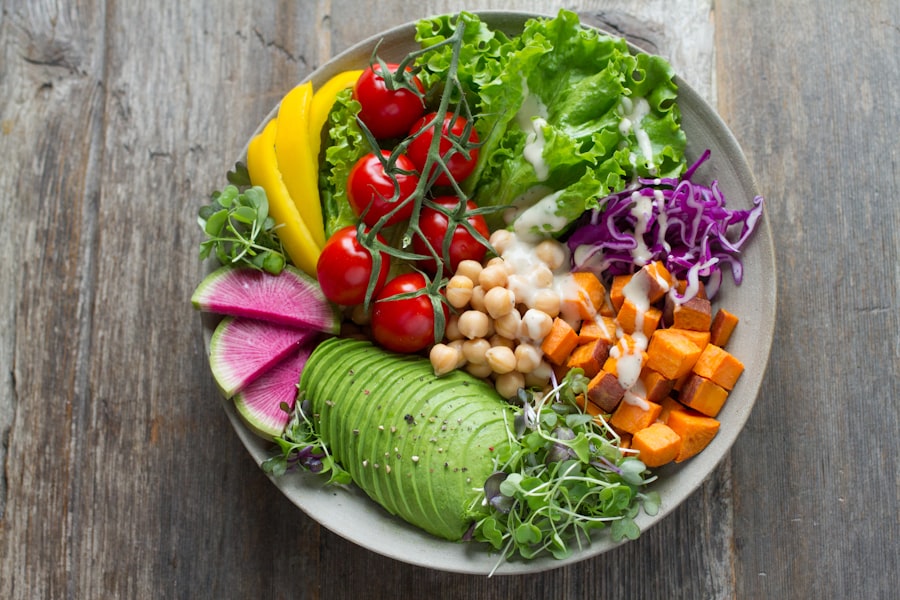
Your plate is your best skincare routine — these foods feed collagen from the inside out.
Before we even get to supplements, I want to talk about food. Because the foundation of great skin is always going to be what you eat. Your body needs specific raw materials — amino acids, vitamins, minerals — to manufacture collagen in the first place.
One amino acid combination to remember: collagen is primarily made from glycine, proline, and hydroxyproline. These come from animal proteins (chicken skin, bone broth, fish) and eggs. If you eat plant-based, pay extra attention to supplementing thoughtfully — more on that below.
What to reduce or eliminate: Sugar (causes glycation), excessive alcohol (depletes zinc and vitamin C), and ultra-processed foods that spike inflammation. I know, I know. But your skin notices.
Trying new products and not sure what’s actually working? Grab my free
Skincare Planner — it’s designed specifically for women over 40
who want to track their routine and finally see results.
The Best Collagen Supplements for Women Over 40
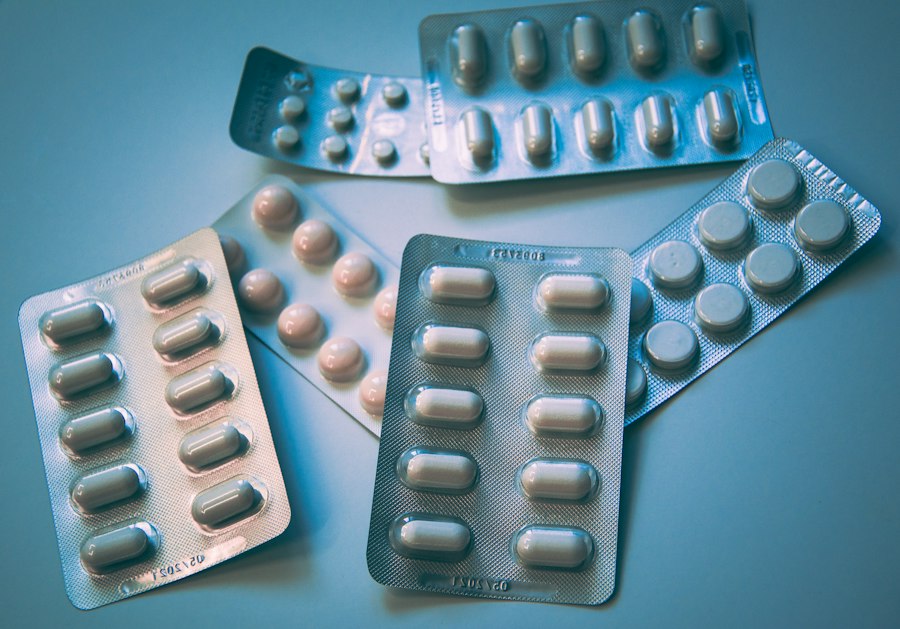
Not all supplements are created equal — here are the ones worth your money.
Let me be honest with you: not all collagen supplements work, and not all are worth the money. After trying more products than I care to admit (and having them crowd my bathroom cabinet), I’ve narrowed it down to what I truly believe delivers results for mature skin.
Look for supplements with hydrolyzed collagen peptides (easier for the body to absorb), a dose of at least 5–10g per serving, and ideally paired with vitamin C for better absorption.
“The one I actually finish every single tub of.”
- 20g hydrolyzed collagen peptides per serving (Types I & III)
- Unflavored — dissolves instantly in coffee, smoothies, or water
- Grass-fed, pasture-raised bovine source
- Contains hyaluronic acid + vitamin C for enhanced absorption
- Certified paleo, keto-friendly, gluten-free
- Clinically studied formulation
*Affiliate link — I earn a small commission at no extra cost to you. I only recommend products I genuinely use.
Best Value
“All the quality at a friendlier price point — a close second to my top pick.”
- 11g collagen peptides per serving (Types I & III)
- NSF Certified — third-party tested for purity
- Sourced from 100% grass-fed, pasture-raised cows
- Dissolves easily in hot or cold liquids
- Also supports hair, nails, and joints — a bonus at our age!
- More affordable per-serving than premium brands
*Affiliate link — I earn a small commission at no extra cost to you.
Quick tip: Consistency matters more than the brand you choose. Pick one collagen supplement and stick with it for at least 8–12 weeks before judging results. Most women see visible improvement around week 8.
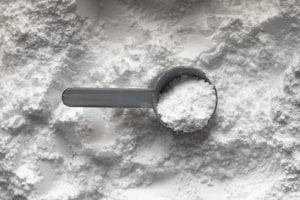
- Unique blend of 5 collagen types (bovine, chicken, fish, eggshell)
- Type II supports joint cartilage — great for achy knees!
- Available in unflavored or chocolate/vanilla variants
- Keto and paleo certified, no GMOs
- Great for women wanting full-body collagen support
*Affiliate link — I earn a small commission at no extra cost to you.
Supporting Nutrients That Turbocharge Collagen Production
Collagen supplements work best when your body also has the co-factors it needs. Think of it like baking a cake — the collagen powder is the flour, but you still need butter, eggs, and heat for it to actually come together.
Vitamin C — The Non-Negotiable
Without adequate vitamin C, your body literally cannot produce collagen. The enzyme that converts procollagen to collagen is entirely vitamin-C dependent. Most of us over 40 are borderline deficient and don’t know it. Aim for 500–1,000mg daily through food and/or supplementation.
Pair this with your collagen powder for dramatically better results.
- 500mg Vitamin C from real whole food sources (amla, strawberries, citrus)
- Includes organic fruits & vegetables for enhanced bioavailability
- Certified organic, non-GMO, vegan
- Gentler on the stomach than synthetic ascorbic acid
- Also boosts immune function and fights oxidative stress
*Affiliate link — I earn a small commission at no extra cost to you.
Zinc & Copper
Zinc activates the proteins needed to make collagen, while copper helps cross-link collagen and elastin fibers (giving them strength). Both are often low in women eating modern diets. Zinc-rich foods include pumpkin seeds, beef, and chickpeas. Copper comes from nuts, seeds, and dark chocolate (yes, really).
Silica
Silica (found in bamboo extract, horsetail herb, and oats) is often overlooked but plays a direct role in the hydroxylation of proline — a key step in building collagen fibers. Many women over 40 with brittle nails and thinning hair are actually silica-deficient.
Want the full breakdown of ingredients to look for in skin supplements? Read my complete guide to the best skincare ingredients for women over 40 →
Lifestyle Habits That Build (or Break) Your Collagen

What you do daily impacts your collagen more than any single product ever could.
| Habit | Effect on Collagen | Action |
|---|---|---|
| Daily SPF 30+ | Prevents UV-triggered collagen destruction | ✓ DO Daily |
| 7–9 Hours Sleep | Growth hormone peaks during deep sleep, stimulating collagen repair | ✓ Prioritize |
| Regular Strength Training | Mechanical stress on tissue signals collagen synthesis | ✓ 3x / week |
| Stress Management | Cortisol breaks down collagen and slows fibroblast activity | ✓ Meditate / Walk |
| Smoking | Drastically accelerates collagen breakdown + constricts blood flow | ✗ Quit Now |
| Excessive Sugar | Glycation stiffens and damages collagen fibers | ✗ Reduce |
| Heavy Alcohol | Depletes vitamin C and zinc; dehydrates skin | ✗ Limit |
| Retinol Use | Stimulates fibroblasts to produce new collagen in dermis | ✓ Nightly (start low) |
The Sleep–Collagen Connection Is Real
I cannot stress this enough: your skin rebuilds itself while you sleep. Human growth hormone (HGH) — which directly stimulates collagen production — is released in pulses during deep sleep. When you’re chronically under-sleeping (hello, hot flash nights), you’re robbing your skin of its repair time. Prioritizing sleep isn’t vanity. It’s biology.
Movement Matters More Than You Think
Strength training and activities that put gentle stress on your connective tissues (yoga, Pilates, resistance bands) signal your body to reinforce those tissues with new collagen. This is why active women tend to have stronger, more resilient skin as they age.
Budget-Friendly Starter
- 6g hydrolyzed collagen peptides per 6-tablet serving
- Types I & III — the primary collagen types in skin and hair
- Great for those who prefer tablets over powder
- One of the most widely reviewed collagen supplements on Amazon
- Easy to take on travel — no mixing required
*Affiliate link — I earn a small commission at no extra cost to you.
My Honest Collagen Journey — What Actually Changed
From My Journal — MaturedGlow
I’m not going to pretend I suddenly have the skin of a 30-year-old. But the texture is undeniably smoother. My fine lines have softened. My foundation sits differently less creasing, more grip. And honestly? I feel better knowing I’m nourishing my skin from within, not just patching it on the surface. It’s a long game. But it’s absolutely worth playing.
Don’t Forget Topical Collagen Support
Diet and supplements work from within — but the right topicals push results even further.
While I firmly believe inside-out collagen support is the most effective long-term approach, topical ingredients can meaningfully support your skin’s collagen production:
- Retinol / Retinoids: The gold standard for stimulating fibroblast activity. Start with 0.025–0.05% if you’re new to it. This is genuinely the most proven topical collagen-booster in skincare.
- Vitamin C Serum (L-Ascorbic Acid 10–20%): Applied topically, it boosts collagen synthesis and fights UV-triggered degradation simultaneously.
- Peptides (like Matrixyl 3000): Signal peptides communicate with your skin cells to ramp up collagen production. Look for these in serums and moisturizers.
- Niacinamide: While not directly collagen-building, it strengthens the skin barrier and reduces the inflammation that breaks collagen down.
I have a full post on how to combine niacinamide and AHAs safely for mature skin — it’s one of my most-read pieces and covers exactly how to layer these ingredients without irritating your skin.
FAQ — Your Collagen Questions Answered

